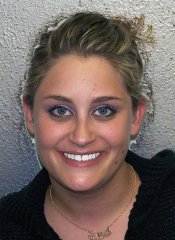
Sarah Shirazi
Writing Student
Reflections on Exploring Digital Media Literacy, Community projects, and Writing
What encouraged me to sign up for the Denver North High School Digital Media Literacy Project in my Advanced Composition class with Dr. Michelle Comstock was that I had the opportunity to learn how to become “media literate.” I comprised a group of two other students in our class, Trish and Gillian, and we all shared a common interest in being involved in community projects and working with students. We took turns going to Denver North High School anywhere from two to three times a week and some of the things that we did included filming in class observations, conducting and filming interviews, gathering research, and storyboarding. We truly experienced all the stages of producing a movie, including pre-production, production, and post-production.
Though it was clear that our main focus was to convey the importance of media literacy through media (film), the project changed forms repeatedly as technology was our biggest influence and obstacle. As media technology advances, the demand for media literate people increases. Today, computer skills are paramount in order to compete in the US job market. It took years of practice and familiarity with software applications and equipment like scanners and such, for me to really feel computer proficient. Consider that I had never filmed anything coherent, creative or constructive in my life, or edited anything for that matter and imagine being thrown into a whirl-wind of advanced technology from GL-2 cameras to tripods and editing programs like Premiere and Final Cut Pro. Whew, was that fun and frustrating at the same time! Thankfully, Michelle, Scott Randolph and Scott Slack were already media literate and helped guide us through the capturing and editing process.
Through this experience I learned that “good writing” and “good research” are attained by trail/error. This project challenged me creatively, socially, mentally, technologically, and cooperatively. This was a creative challenge for me as a writer because we never had a concrete outline, for all of the filming was totally improvised. I think I can speak for everyone involved in this project that through conversations, interactions, and interviews the project’s goal and purposes became clearer. Every in-class observation and even any sort of contact or conversation with students, Jose Mercado, or Scott Slack and Scott Randolph, was research for our project. Through this journey, our purpose evolved into more than just capturing “digital media literacy" and the processes of—but what it takes to be media literate for the students (who are main subjects of our film and who are learning how to perform a monologue and are using writing as the means of guiding their performance); the Scott(s) whom are film connoisseurs, filming a documentary; and finally, Trish, Gillian and I whom taped and observed this entire process, and every aspect of it. I realized that we were just as much involved in the process as we were the “primary evidence,” if you will, in attempting to become literate in digital media.
When someone gives you the chance to tell your story, takes interest in your life having never met you before, recognize that it is a magical opportunity that you may never be offered again. And this is precisely what Denver North High School drama teacher, José Mercado had in mind when he introduced the monologue exercise to his drama students—he gave them the opportunity to tell their stories, and through the experience the students would realize something, grow in some way, and at best reflect on their lives and life experiences. What was supposed to be a five minute monologue, many students turned into a ten or twenty minute monologue for they felt so reluctant that they were given the change to share their story that they couldn’t help but go on and on. What was most intriguing about this project was that it truly was a community project. It takes different talents or skills from various people to produce a successful project. Without Michelle Comstock, Scott Slack, Scott Randolph, and Jose Mercado, this project would not be possible. They were each so passionate and dedicated and were tremendous assets, having learned so much from each of them I will always cherish and remember this experience. I would like to end by thanking everyone who was involved in this project, especially Michelle, who helped me find an audience, a voice, and most importantly helped me overcome my fear of digital media for good.
Back to Digital Autodrama Main Page